Tesla Builds Fleet-Based Maps to Fix FSD's Speed and Parking Glitches
The electric vehicle maker is developing a proprietary navigation layer to address persistent errors in its Full Self-Driving software.
By Luis Fernandez ·
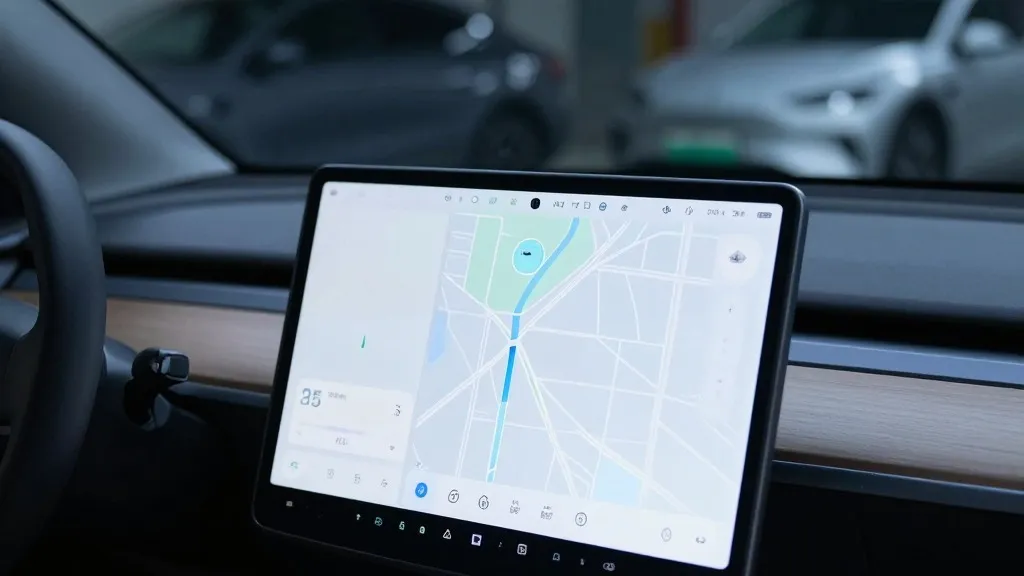
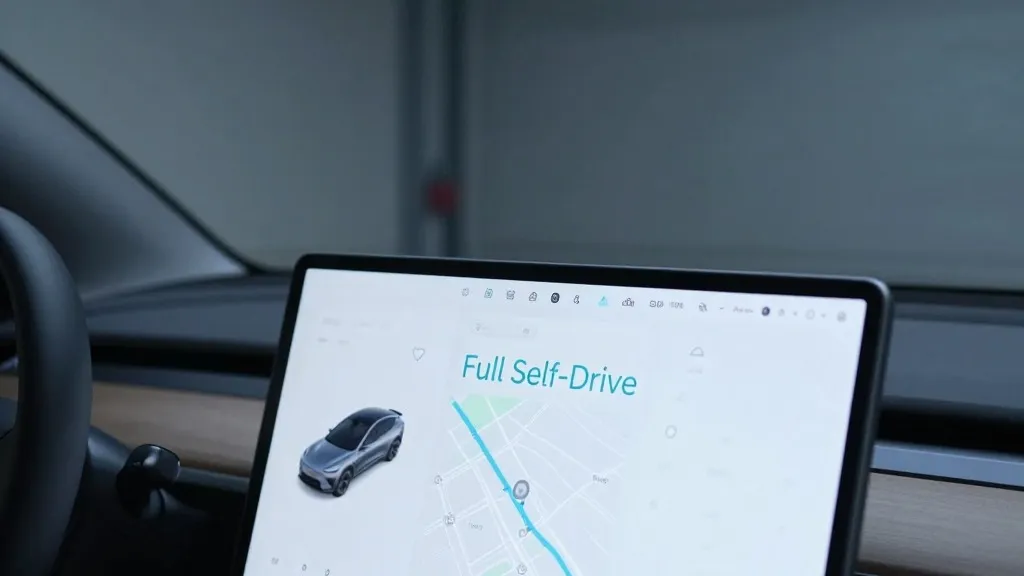
Tesla is developing its own mapping infrastructure to resolve common flaws in its Full Self-Driving system, specifically issues related to reading speed limits, parking, and route selection. The company’s Vice President of AI, Ashok Elluswamy, outlined this strategy during the Q3 2026 earnings call. He stated that Tesla is constructing a new AI-based mapping and navigation architecture that leverages data collected from its global fleet. This system will also learn individual driver preferences and respond to voice commands, aiming to reduce reliance on third-party navigation providers.
The move marks a significant departure from the company’s long-standing public stance. For years, CEO Elon Musk argued that self-driving systems dependent on high-definition maps are inherently brittle. In a 2019 presentation, he labeled reliance on such maps a "huge mistake" and a "really bad idea," contrasting Tesla’s camera-only approach with competitors who used lidar and detailed cartography. Now, seven years later, Tesla is effectively adopting a similar methodology by using its own vehicle fleet to map the roads, acknowledging that the vision system alone often fails to interpret environmental details correctly.
The initiative was prompted by shareholder questions regarding persistent FSD errors. During a Q&A session, an investor noted that mapping remains a problem, citing speed limits, parking, and typical routes as the primary pain points. Elluswamy agreed, stating that the company "shouldn’t be depending on external people’s maps." He explained that the new technology will initially handle the beginning and end of trips with the upcoming FSD v15 release. Over the following months, it will take over broader navigation, parking, and destination handling functions.
Current data highlights why these changes are necessary. Last month, a Belgian road safety group reported that FSD exceeded speed limits in 55% of 30 km/h zones in Brussels, averaging 44 km/h, often because the car’s display incorrectly showed a 50 km/h limit. In the United States, the NHTSA is considering an investigation into claims that Tesla Robotaxis speed through active school zones, a concern covering approximately 1,000 Model Y and Cybercab vehicles. These incidents suggest that the end-to-end vision system still struggles with basic road information that a dedicated map layer could provide.
This approach brings Tesla closer to the operational model of Waymo, which uses sensor-equipped vehicles to map cities before launching service and keeps those maps updated. Tesla’s new system functions similarly, with cars collecting visual data to feed a centralized map that improves driving performance for all vehicles. The main technical difference remains that Waymo’s cars utilize lidar, whereas Tesla relies on cameras. However, the core concept of a fleet-built, continuously updated map is now central to Tesla’s strategy.
The rollout will proceed in stages. FSD v15 will introduce the new mapping capabilities for trip start and end points first. As the architecture matures over the next several months, it will expand to cover full navigation and parking. This shift aligns with Tesla’s current Robotaxi operations, which already function within small, geofenced service areas where the company manages fleet operations directly. While Tesla is not currently producing centimeter-level high-definition maps, the new system is designed to become increasingly detailed as the fleet grows.
Analysts and investors are watching how this new infrastructure resolves the specific errors that have plagued the system for years. If the fleet-based maps successfully correct speed limit and routing issues, it may validate the hybrid approach of using AI vision supplemented by proprietary cartography. The company will continue to refine this system as it prepares to expand its driverless services, with unsupervised FSD in consumer cars targeted for Q2 2027.
Source: Electrek