Tesla’s FSD Count Jumps to 1.74 Million
A surge in reported Full Self-Driving users is driven by a metric definition that includes owners who paid upfront years ago, a key factor in CEO compensation.
By Miguel Hernandez ·
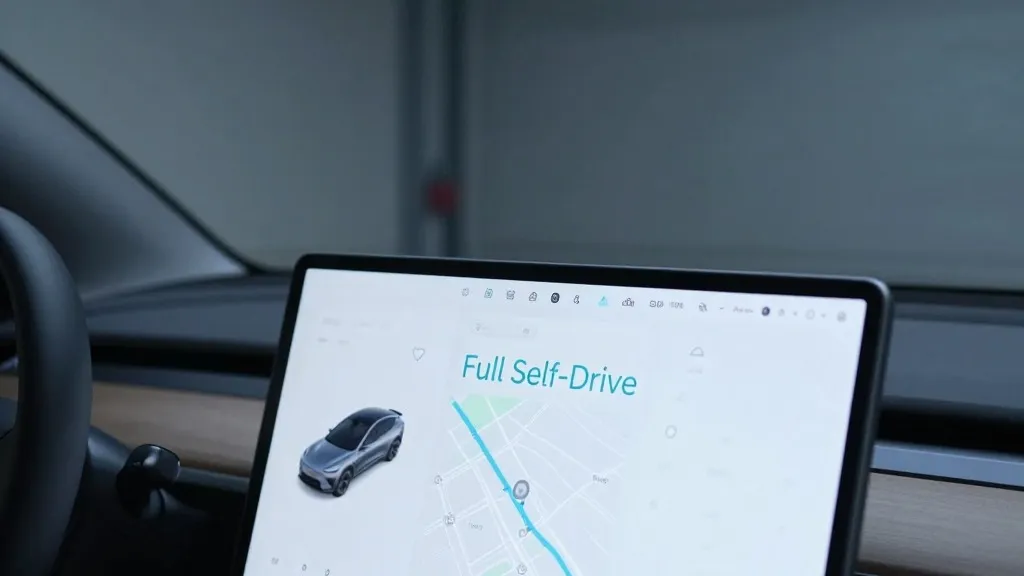
Tesla’s latest financial disclosures reveal a significant expansion in its driver-assistance software base, but the figures rely on a specific accounting method tied directly to executive incentives. The company now reports 1.74 million active Full Self-Driving (FSD) subscriptions, a 67% increase from the same period last year. This growth is central to ongoing debates about how the company measures success in its autonomous driving efforts.
The numbers reflect a shift in how Tesla categorizes its software revenue. According to a footnote in the Q3 2026 shareholder letter, the metric aligns with the 2025 CEO Performance Award and includes both upfront purchases and monthly subscriptions. This means owners who bought FSD as a one-time feature, some for as much as $15,000, are counted as active subscribers as long as their vehicles remain in use. Tesla stopped selling FSD as a standalone purchase on February 14, 2026, moving new customers to a $99 monthly plan in the US, but legacy buyers remain in the total count.
The people behind these metrics are central to the strategy. Elon Musk’s 2025 compensation package requires the company to reach 10 million active FSD subscriptions to vest a portion of his pay. The letter notes that hundreds of thousands of these counted users were originally sold the promise of unsupervised self-driving, a capability Tesla has not yet fully delivered. The company added 260,000 net new subscriptions in the third quarter, its strongest quarterly performance to date, though it remains unclear how many of the total are paying monthly versus those who paid upfront.
Tesla also highlighted a 75% attach rate for FSD in new North American deliveries during the quarter, a rise of nearly 20 percentage points from the previous period. The company believes this software is driving demand in available markets. However, the letter does not define whether this rate includes introductory offers or if it excludes free trials, leaving investors without a clear picture of long-term retention. This metric is presented as evidence of market adoption, but the lack of granularity makes it difficult to assess the durability of the revenue stream.
The stakes extend beyond software adoption to the broader valuation of the company. The same accounting approach applies to cumulative deliveries, now at 10.2 million, which includes unsupervised Robotaxis to match another compensation milestone. Of the 12 tranches in the CEO’s award, Tesla considers only the 20 million vehicle delivery target probable as of June 30. At the current pace of adding roughly 700,000 subscriptions annually, reaching the 10 million FSD target would take approximately 12 years, well within the award’s 2035 expiration date.
For New England readers and investors, the clarity of these metrics matters. The board approved the definitions, and they now shape how the company’s progress is perceived. While counting upfront buyers is not incorrect, labeling them as subscribers obscures the difference between a one-time sale and a recurring revenue source. The company knows the exact number of monthly payers, but has not disclosed it, leaving the market to interpret the 1.74 million figure with the context of the compensation plan in mind.
Source: Electrek